xxxxx
3.3.0.0 Moderate Versus Tight Glycemic Control
A meta-analysis of over 26 studies, including the Normoglycemia in Intensive Care Evaluation–Survival Using Glucose Algorithm Regulation (NICE-SUGAR) study, showed increased rates of “severe hypoglycemia” (defined in the analysis as blood glucose <40 mg/dL [2.2 mmol/L]) and mortality in cohorts with tight versus moderate glycemic control (22). Recent randomized controlled studies and metaanalyses in surgical patients have also reported that targeting perioperative blood glucose levels to <180 mg/dL (10 mmol/L) is associated with lower rates of mortality and stroke compared with a target glucose <200 mg/dL (11.1 mmol/L), whereas no significant additional benefit was found with more strict glycemic control (<140 mg/dL [7.8 mmol/L]) (23,24). Insulin therapy should be initiated for treatment of persistent hyperglycemia starting at a threshold ≥180 mg/dL (10.0 mmol/L). Once insulin therapy is started, a target glucose range of 140–180 mg/dL (7.8–10.0 mmol/L) is recommended for the majority of critically ill and noncritically ill patients (2). More stringent goals, such as <140 mg/dL (7.8 mmol/L), may be appropriate for selected patients, as long as this can be achieved without significant hypoglycemia. Conversely, higher glucose ranges may be acceptable in terminally ill patients, in patients with severe comorbidities, and in inpatient care settings where frequent glucose monitoring or close nursing supervision is not feasible.
Clinical judgment combined with ongoing assessment of the patient’s clinical status, including changes in the trajectory of glucose measures, illness severity, nutritional status, or concomitant medications that might affect glucose levels (e.g., glucocorticoids), should be incorporated into the day-to-day decisions regarding insulin dosing (2).
xxxxx
4.0.0.0 Bedside Blood Glucose Monitoring
4.1.0.0 Indications
In the patient who is eating meals, glucose monitoring should be performed before meals. In the patient who is not eating, glucose monitoring is advised every 4–6 h (2). More frequent blood glucose testing ranging from every 30 min to every 2 h is required for patients receiving intravenous insulin. Observational studies have shown that safety standards should be established for blood glucose monitoring that prohibit the sharing of fingerstick lancing devices, lancets, and needles (25).
xxxxx
4.2.0.0 Point-of-Care Meters
Point-of-care (POC) meters have limitations for measuring blood glucose. Although the U.S. Food and Drug Administration (FDA) has standards for blood glucose meters used by lay persons, there have been questions about the appropriateness of these criteria, especially in the hospital and for lower blood glucose readings (26). Significant discrepancies between capillary, venous, and arterial plasma samples have been observed in patients with low or high hemoglobin concentrations and with hypoperfusion. Any glucose result that does not correlate with the patient’s clinical status should be confirmed through conventional laboratory glucose tests. The FDA established a separate category for POC glucose meters for use in health care settings and has released guidance on in-hospital use with stricter standards (27). Before choosing a device for inhospital use, consider the device’s approval status and accuracy.
xxxxx
4.3.0.0 Continuous Glucose Monitoring
Real-time continuous glucose monitoring (CGM) provides frequent measurements of interstitial glucose levels, as well as direction and magnitude of glucose trends, which may have an advantage over POC glucose testing in detecting and reducing the incidence of hypoglycemia in the hospital setting (28,29). Several inpatient studies have shown that CGM use did not improve glucose control but detected a greater number of hypoglycemic events than POC testing (30,31). However, a recent review has recommended against using CGM in adults in a hospital setting until more safety and efficacy data become available (30). For more information on CGM, see Section 7 “Diabetes Technology.”
xxxxx
5.0.0.0 Antihyperglycemic Agents in Hosp. Pts.
5.1.0.0 Recommendations
15.6 Basal insulin or a basal plus bolus correction insulin regimen is the preferred treatment for noncritically ill hospitalized patients with poor oral intake or those who are taking nothing by mouth. An insulin regimen with basal, prandial, and correction components is the preferred treatment for noncritically ill hospitalized patients with good nutritional intake. A
15.7 Sole use of sliding scale insulin in the inpatient hospital setting is strongly discouraged. A
In most instances in the hospital setting, insulin is the preferred treatment for hyperglycemia (2). However, in certain circumstances, it may be appropriate to continue home regimens including oral antihyperglycemic medications (32). If oral medications are held in the hospital, there should be a protocol for resuming them 1–2 days before discharge. Insulin pens are the subject of an FDA warning because of potential blood-borne diseases, and care should be taken to follow the label insert “For single patient use only” (33). Recent reports, however, have indicated that the inpatient use of insulin pens appears to be safe and may be associated with improved nurse satisfaction compared with the use of insulin vials and syringes (34-36).
xxxxx
5.2.0.0 Insulin Therapy
5.2.1.0 Critical Care Setting
In the critical care setting, continuous intravenous insulin infusion has been hown to be the best method for achieving glycemic targets. Intravenous insulin infusions should be administered based on validated written or computerized protocols that allow for predefined adjustments in the infusion rate, accounting for glycemic fluctuations and insulin dose (2).
xxxxx
5.2.2 Noncritical Care Setting
Outside of critical care units, scheduled insulin regimens are recommended to manage hyperglycemia in patients with diabetes. Regimens using insulin analogs and human insulin result in similar glycemic control in the hospital setting (37). The use of subcutaneous rapid- or short-acting insulin before meals or every 4–6h if no meals are given or if the patient is receiving continuous enteral/parenteral nutrition is indicated to correct hyperglycemia (2). Basal insulin or a basal plus bolus correction insulin regimen is the preferred treatment for noncritically ill hospitalized patients with poor oral intake or those who are taking nothing by mouth (NPO). An insulin regimen with basal, prandial, and correction components is the preferred treatment for noncritically ill hospitalized patients with good nutritional intake.
If the patient is eating, insulin injections should align with meals. In such instances, POC glucose testing should be performed immediately before meals. If oral intake is poor, a safer procedure is to administer the rapid-acting insulin immediately after the patient eats or to count the carbohydrates and cover the amount ingested (37).
A randomized controlled trial has shown that basal-bolus treatment improved glycemic control and reduced hospital complications compared with sliding scale insulin in general surgery patients with type 2 diabetes (38). Prolonged sole use of sliding scale insulin in the inpatient hospital setting is strongly discouraged (2,14).
While there is evidence for using pre-mixed insulin formulations in the out- patient setting (39), a recent inpatient study of 70/30 NPH/regular insulin versus basal-bolus therapy showed comparable glycemic control but significantly increased hypoglycemia in the group receiving premixed insulin (40). Therefore, premixed insulin regimens are not routinely recommended for in-hospital use.
xxxxx
5.2.3.0 Type 1 Diabetes
For patients with type 1 diabetes, dosing insulin based solely on premeal glucose levels does not account for basal insulin requirements or caloric intake, increasing both hypoglycemia and hyperglycemia risks. Typically, basal insulin dosing schemes are based on body weight, with some evidence that patients with renal insufficiency should be treated with lower doses (41). An insulin regimen with basal and correction components is necessary for all hospitalized patients with type 1 diabetes, with the addition of prandial insulin if the patient is eating.
xxxxx
5.2.4.0 Transitioning Intravenous to Subcutaneous Insulin
When discontinuing intravenous insulin, a transition protocol is associated with less morbidity and lower costs of care (42) and is therefore recommended. A patient with type 1 or type 2 diabetes being transitioned to outpatient subcutaneous insulin should receive subcutaneous basal insulin 2–4 h before the intravenous insulin is discontinued. Converting to basal insulin at 60–80% of the daily infusion dose has been shown to be effective (2,42,43). For patients continuing regimens with concentrated insulin (U-200, U-300, or U-500) in the inpatient setting, it is important to ensure the correct dosing by utilizing an individual pen and cartridge for each patient, meticulous pharmacist supervision of the dose administered, or other means (44,45).
xxxxx
5.3.0.0 Noninsulin Therapies
The safety and efficacy of noninsulin antihyperglycemic therapies in the hospital setting is an area of active research. A few recent randomized pilot trials in general medicine and surgery patients reported that a dipeptidyl peptidase 4 inhibitor alone or in combination with basal insulin was well tolerated and resulted in similar glucose control and frequency of hypoglycemia compared with a basal-bolus regimen (46-48). However, an FDA bulletin states that providers should consider discontinuing saxagliptin and alogliptin in people who develop heart failure (49). A review of antihyperglycemic medications concluded that glucagon-like peptide 1 receptor agonists show promise in the inpatient setting (50); however, proof of safety and efficacy awaits the results of randomized controlled trials (51).
Moreover, the gastrointestinal symptoms associated with the glucagon-like peptide 1 receptor agonists may be problematic in the inpatient setting.
Regarding the sodium–glucose transporter 2 (SGLT2) inhibitors, the FDA includes warnings about diabetic keto-acidosis (DKA) and urosepsis (52), urinary tract infections, and kidney injury (53) on the drug labels. A recent review suggested SGLT2 inhibitors be avoided in severe illness, when ketone bodies are present, and during prolonged fasting and surgical procedures (3). Until safety and effectiveness are established, SGLT2 inhibitors cannot be recommended for routine in-hospital use.
xxxxx
6.1.0.0 HYPOGLYCEMIA
Recommendations
15.8 A hypoglycemia management protocol should be adopted and implemented by each hospital or hospital system. A plan for preventing and treating hypoglycemia should be established for each patient. Episodes of hypoglycemia in the hospital should be documented in the medical record and tracked. E
15.9 The treatment regimen should be reviewed and changed as necessary to prevent further hypoglycemia when a blood glucose value of <70 mg/dL (3.9 mmol/L) is documented. C
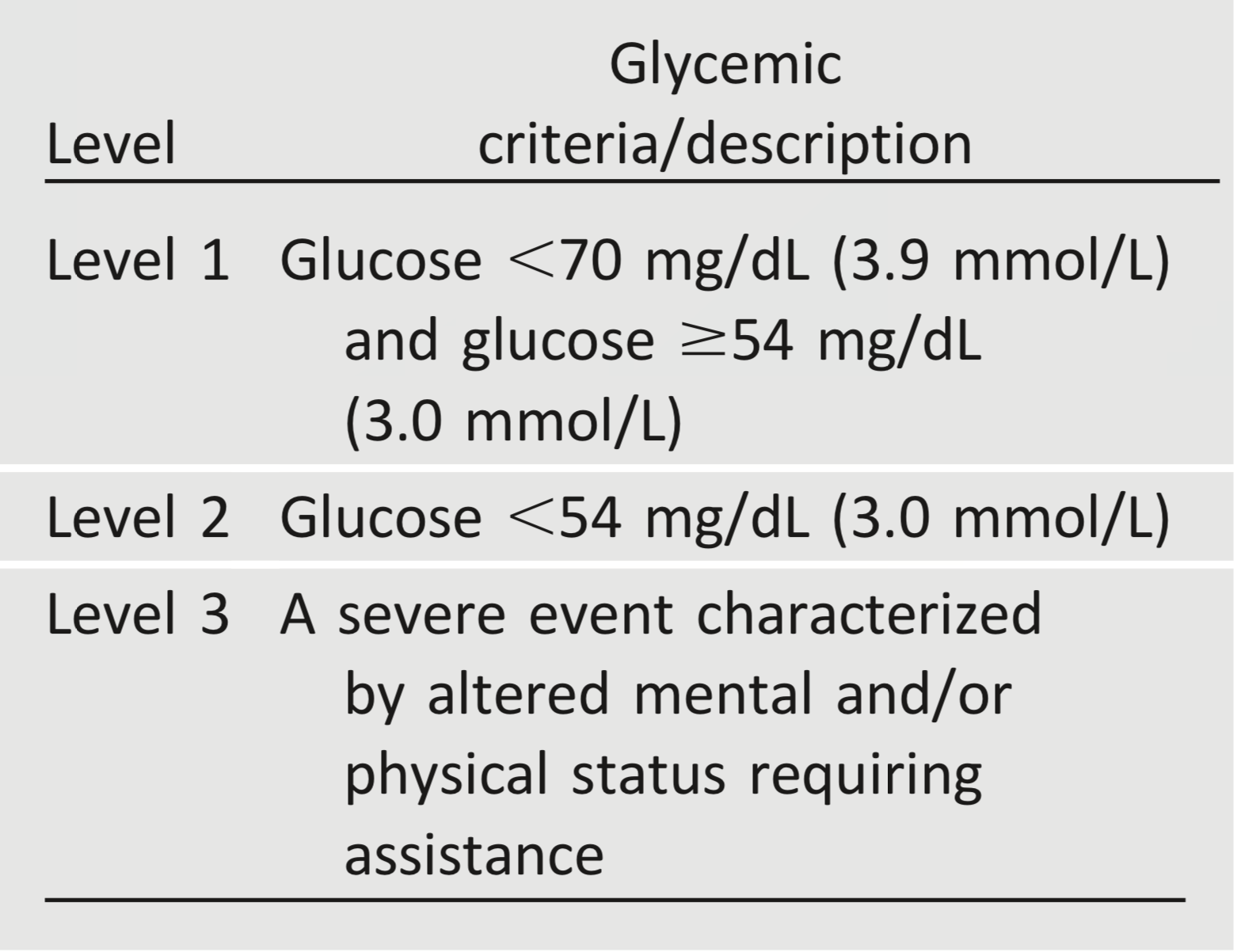
Patients with or without diabetes may experience hypoglycemia in the hospital setting. While hypoglycemia is associated with increased mortality (54), hypoglycemia may be a marker of underlying disease rather than the cause of increased mortality. However, until it is proven not to be causal, it is prudent to avoid hypoglycemia. Despite the preventable nature of many inpatient episodes of hypoglycemia, institutions are more likely to have nursing protocols for hypoglycemia treatment than for its prevention when both are needed. A hypoglycemia prevention and management protocol should be adopted and implemented by each hospital or hospital system. There should be a standardized hospital-wide, nurse-initiated hypoglycemia treatment protocol to immediately address blood glucose levels of <70 mg/dL (3.9 mmol/L), as well as individualized plans for preventing and treating hypoglycemia for each patient. An American Diabetes Association (ADA) consensus report suggested that a patient’s overall treatment regimen be reviewed when a blood glucose value of <70 mg/dL (3.9 mmol/L) is identified because such readings often predict imminent level 3 hypoglycemia (2).
Episodes of hypoglycemia in the hospital should be documented in the medical record and tracked (2).
xxxxx
6.2.0.0 Triggering Events
Iatrogenic hypoglycemia triggers may include sudden reduction of corticosteroid dose, reduced oral intake, emesis, new NPO status, inappropriate timing of short- or rapid-acting insulin in relation to meals, reduced infusion rate of intravenous dextrose, unexpected interruption of oral, enteral, or parenteral feedings, and altered ability of the patient to report symptoms (3).
xxxxx
6.3.0.0 Predictors of Hypoglycemia
In one study, 84% of patients with an episode of “severe hypoglycemia” (de- fined as <40 mg/dL [2.2 mmol/L]) had a prior episode of hypoglycemia (<70 mg/dL [3.9 mmol/L]) during the same admission (55). In another study of hypoglycemic episodes (defined as <50 mg/dL [2.8 mmol/L]), 78% of patients were using basal insulin, with the incidence of hypoglycemia peaking between midnight and 6 A.M. Despite recognition of hypoglycemia, 75% of patients did not have their dose of basal insulin changed before the next insulin administration (56).
xxxxx
6.4.0.0 Prevention
Common preventable sources of iatrogenic hypoglycemia are improper prescribing of hypoglycemic medications, inappropriate management of the first episode of hypoglycemia, and nutrition– insulin mismatch, often related to an unexpected interruption of nutrition. Studies of “bundled” preventative therapies including proactive surveillance of glycemic outliers and an interdisciplinary data-driven approach to glycemic management showed that hypoglycemic episodes in the hospital could be prevented. Compared with baseline, two such studies found that hypoglycemic events fell by 56% to 80% (57,58). The Joint Commission recommends that all hypoglycemic episodes be evaluated for a root cause and the episodes be aggregated and reviewed to address systemic issues.
xxxxx
7.0.0.0 Medical Nutrition Therapy in Hosp.
The goals of medical nutrition therapy in the hospital are to provide adequate calories to meet metabolic demands, optimize glycemic control, address personal food preferences, and facilitate creation of a discharge plan. The ADA does not endorse any single meal plan or specified percentages of macronutrients. Current nutrition recommendations advise individualization based on treatment goals, physiological parameters, and medication use. Consistent carbohydrate meal plans are preferred by many hospitals as they facilitate matching the prandial insulin dose to the amount of carbohydrate consumed (59). Regarding enteral nutritional therapy, diabetes-specific formulas appear to be superior to standard formulas in controlling postprandial glucose, A1C, and the insulin response (60). When the nutritional issues in the hospital are complex, a registered dietitian, knowledgeable and skilled in medical nutrition therapy, can serve as an individual inpatient team member. That person should be responsible for integrating information about the patient’s clinical condition, meal planning, and lifestyle habits and for establishing realistic treatment goals after discharge. Orders should also indicate that the meal delivery and nutritional insulin coverage should be coordinated, as their variability often creates the possibility of hyperglycemic and hypoglycemic events.
xxxxx
8.0.0.0 SELF-MANAGEMENT IN THE HOSPITAL
Diabetes self-management in the hospital may be appropriate for select youth and adult patients (61,62). Candidates include patients who successfully conduct self-management of diabetes at home, have the cognitive and physical skills needed to successfully self-administer insulin, and perform self-monitoring of blood glucose. In addition, they should have adequate oral intake, be proficient in carbohydrate estimation, use multiple daily insulin injections or continuous subcutaneous insulin infusion (CSII), have stable insulin requirements, and understand sick-day management. If self-management is to be used, a protocol should include a requirement that the patient, nursing staff, and physician agree that patient self-management is appropriate. If CSII is to be used, hospital policy and procedures delineating guidelines for CSII therapy, including the changing of infusion sites, are advised (63).
xxxxx
9.0.0.0 STANDARDS FOR SPECIAL SITUATIONS
9.1.0.0 Enteral/Parenteral Feedings
For patients receiving enteral or parenteral feedings who require insulin, insulin should be divided into basal, prandial, and correctional components. This is particularly important for people with type 1 diabetes to ensure that they continue to receive basal insulin even if the feedings are discontinued. One may use the patient’s preadmission basal insulin dose or a percentage of the total daily dose of insulin when the patient is being fed (usually 30–50% of the total daily dose of insulin) to estimate basal insulin requirements. However, if no basal insulin was used, consider using 5 units of NPH/detemir insulin subcutaneously every 12 h or 10 units of insulin glargine every 24 h (64). For patients receiving continuous tube feedings, the total daily nutritional component may be calculated as 1 unit of insulin for every 10–15 g carbohydrate per day or as a percentage of the total daily dose of insulin when the patient is being fed (usually 50–70% of the total daily dose of insulin). Correctional insulin should also be administered subcutaneously every 6 h using human regular insulin or every 4 h using a rapid-acting insulin such as lispro, aspart, or glulisine. For patients receiving enteral bolus feedings, approximately 1 unit of regular human insulin or rapid-acting insulin per 10–15 g carbohydrate should be given subcutaneously before each feeding.
Correctional insulin coverage should be added as needed before each feeding. For patients receiving continuous peripheral or central parenteral nutrition, human regular insulin may be added to the solution, particularly if >20 units of correctional insulin have been required in the past 24 h. A starting dose of 1 unit of human regular insulin for every 10 g dextrose has been recommended (65), to be adjusted daily in the solution. Correctional insulin should be administered subcutaneously. For full enteral/ parenteral feeding guidance, the reader is encouraged to consult review articles detailing this topic (2,66).
xxxxx
9.2.0.0 Glucocorticoid Therapy
Glucocorticoid type and duration of action must be considered in determining insulin treatment regimens. Once-a-day, short-acting glucocorticoids such as prednisone peak in about 4–8 h (67), so coverage with intermediate-acting (NPH) insulin may be sufficient. For long-acting glucocorticoids such as dexamethasone or multidose or continuous glucocorticoid use, long-acting insulin may be used (32,66). For higher doses of glucocorticoids, increasing doses of prandial and correctional insulin may be needed in addition to basal insulin (68).
Whatever orders are started, adjustments based on anticipated changes in glucocorticoid dosing and POC glucose test results are critical.
xxxxx
9.3.0.0 Perioperative Care
Many standards for perioperative care lack a robust evidence base. However, the following approach (69) may be considered:
1.Target glucose range for the perioperative period should be 80–180 mg/dL (4.4–10.0 mmol/L).
2.Perform a preoperative risk assessment for patients at high risk for ischemic heart disease and those with autonomic neuropathy or renal failure.
3.Withhold metformin the day of surgery.
4.Withhold any other oral hypoglycemic agents the morning of surgery or procedure and give half of NPH dose or 60–80% doses of long-acting analog or pump basal insulin.
5.Monitor blood glucose at least every 4–6 h while NPO and dose with short- or rapid-acting insulin as needed.
A review found that perioperative glycemic control tighter than 80– 180 mg/dL (4.4–10.0 mmol/L) did not improve outcomes and was associated with more hypoglycemia (70); therefore, in general, tighter glycemic targets are not advised. A recent study reported that, compared with the usual insulin dose, on average an approximate 25% reduction in the insulin dose given the evening before surgery was more likely to achieve perioperative blood glucose levels in the target range with decreased risk for hypoglycemia (71).
In noncardiac general surgery patients, basal insulin plus premeal short- or rapid-acting insulin (basal-bolus) coverage has been associated with improved glycemic control and lower rates of perioperative complications compared with the traditional sliding scale regimen (short- or rapid-acting insulin coverage only with no basal insulin dosing) (38,72).
xxxxx
9.4.0.0 DKA & Hyperosmolar Hyperglycemic State
There is considerable variability in the presentation of DKA and hyperosmolar hyperglycemic state, ranging from euglycemia or mild hyperglycemia and acidosis to severe hyperglycemia, dehydration, and coma; therefore, treatment individualization based on a careful clinical and laboratory assessment is needed (73-76).
Management goals include restoration of circulatory volume and tissue perfusion, resolution of hyperglycemia, and correction of electrolyte imbalance and ketosis. It is also important to treat any correctable underlying cause of DKA such as sepsis.
In critically ill and mentally obtunded patients with DKA or hyperosmolar hyperglycemic state, continuous intravenous insulin is the standard of care. Successful transition of patients from intravenous to subcutaneous insulin requires administration of basal insulin 2–4 h prior to the intravenous insulin being stopped to prevent recurrence of ketoacidosis and rebound hyperglycemia (76). There is no significant difference in outcomes for intravenous human regular insulin versus subcutaneous rapid-acting analogs when combined with aggressive fluid management for treating mild or moderate DKA (77). Patients with uncomplicated DKA may sometimes be treated with subcutaneous insulin in the emergency department or step-down units (78), an approach that may be safer and more cost-effective than treatment with intravenous insulin (79). If subcutaneous administration is used, it is important to provide adequate fluid replacement, nurse training, frequent bedside testing, infection treatment if warranted, and appropriate follow-up to avoid recurrent DKA. Several studies have shown that the use of bicarbonate in patients with DKA made no difference in resolution of acidosis or time to discharge, and its use is generally not recommended (80). For further information regarding treatment, refer to recent in-depth reviews (3).
xxxxx
10.0.0.0 TRANSITION FROM THE ACUTE CARE SETTING
Recommendation
15.10 There should be a structured discharge plan tailored to the individual patient with diabetes. B
A structured discharge plan tailored to the individual patient may reduce length of hospital stay and readmission rates and increase patient satisfaction (81). Therefore, there should be a structured discharge plan tailored to each patient. Discharge planning should begin at admission and be updated as patient needs change.
Transition from the acute care setting is a risky time for all patients. Inpatients may be discharged to varied settings, including home (with or without visiting nurse services), assisted living, rehabilitation, or skilled nursing facilities. For the patient who is discharged to home or to assisted living, the optimal program will need to consider diabetes type and severity, effects of the patient’s illness on blood glucose levels, and the patient’s capacities and preferences. See Section 12 Older Adults” for more information. An outpatient follow-up visit with the primary care provider, endocrinologist, or diabetes educator within 1 month of discharge is advised for all patients having hyperglycemia in the hospital. If glycemic medications are changed or glucose control is not optimal at discharge, an earlier appointment (in 1–2 weeks) is preferred, and frequent contact may be needed to avoid hyperglycemia and hypoglycemia. A recently described discharge algorithm for glycemic medication adjustment based on admission A1C found that use of the algorithm to guide treatment decisions resulted in significant improvements in the average A1C after discharge (6). Therefore, if an A1C from the prior 3 months is unavailable, measuring the A1C in all patients with diabetes or hyperglycemia admitted to the hospital is recommended.
Clear communication with outpatient providers either directly or via hospital discharge summaries facilitates safe transitions to outpatient care. Providing information regarding the cause of hyperglycemia (or the plan for determining the cause), related complications and comorbidities, and recommended treatments can assist outpatient providers as they assume ongoing care.
The Agency for Healthcare Research and Quality (AHRQ) recommends that, at a minimum, discharge plans include the following (82):
Medication Reconciliation
The patient’s medications must be cross-checked to ensure that no chronic medications were stopped and to ensure the safety of new prescriptions.
Prescriptions for new or changed medication should be filled and reviewed with the patient and family at or before discharge.
Structured Discharge Communication
Information on medication changes, pending tests and studies, and follow-up needs must be accurately and promptly communicated to outpatient physicians.
Discharge summaries should be transmitted to the primary care provider as soon as possible after discharge.
Appointment-keeping behavior is enhanced when the inpatient team schedules outpatient medical follow-up prior to discharge.
It is recommended that the following areas of knowledge be reviewed and addressed prior to hospital discharge:
Identification of the health care provider who will provide diabetes care after discharge.
Level of understanding related to the diabetes diagnosis, self-monitoring of blood glucose, home blood glucose goals, and when to call the provider.
Definition, recognition, treatment, and prevention of hyperglycemia and hypoglycemia.
Information on making healthy food choices at home and referral to an outpatient registered dietitian nutritionist to guide individualization of meal plan, if needed.
If relevant, when and how to take blood glucose–lowering medications, including insulin administration.
Sick-day management.
Proper use and disposal of needles and syringes.
It is important that patients be provided with appropriate durable medical equipment, medications, supplies (e.g., blood glucose test strips), and prescriptions along with appropriate education at the time of discharge in order to avoid a potentially dangerous hiatus in care.
xxxxx
11.0.0.0 Prev. Admissions & Readmissions
11.1.0.0 Preventing Hypoglycemic Admissions in Older Adults
Insulin-treated patients 80 years of age or older are more than twice as likely to visit the emergency department and nearly five times as likely to be admitted for insulin-related hypoglycemia than those 45–64 years of age (83). However, older adults with type 2 diabetes in long-term care facilities taking either oral antihyperglycemic agents or basal insulin have similar glycemic control (84), suggesting that oral therapy may be used in place of insulin to lower the risk of hypoglycemia for some patients. In addition, many older adults with diabetes are overtreated (85), with half of those maintaining an A1C <7% (53 mmol/mol) being treated with insulin or a sulfonylurea, which are associated with hypoglycemia. To further lower the risk of hypoglycemia-related admissions in older adults, providers may, on an individual basis, relax A1C targets to 8% (64 mmol/mol) or 8.5% (69 mmol/mol) in patients with shortened life expectancies and signifi- cant comorbidities (refer to Section 12 “Older Adults” for detailed criteria).
xxxxx
11.2.0.0 Preventing Readmissions
In patients with diabetes, the hospital readmission rate is between 14 and 20% (86). Risk factors for readmission include lower socioeconomic status, certain racial/ethnic minority groups, comorbidities, urgent admission, and recent prior hospitalization (86). Of interest, 30% of patients with two or more hospital stays account for over 50% of hospitalizations and their accompanying hospital costs (87). While there is no standard to prevent readmissions, several successful strategies have been reported, including an intervention program targeting ketosisprone patients with type 1 diabetes (88), initiating insulin treatment in patients with admission A1C >9% (75 mmol/mol) (89), and a transitional care model (90). For people with diabetic kidney disease, patient-centered medical home collaboratives may decrease risk-adjusted readmission rates (91).
xxxxx
12.0.0.0 References
- Clement S, Braithwaite SS, Magee MF, et al.; Diabetes in Hospitals Writing Committee. Management of diabetes and hyperglycemia in hospitals [published corrections appear in Diabetes Care 2004;27:856 and Diabetes Care 2004;27: 1255]. Diabetes Care 2004;27:553–591
- Moghissi ES, Korytkowski MT, DiNardo M, et al.; American Association of Clinical Endocrinologists; American Diabetes Association. American Association of Clinical Endocrinologists and American Diabetes Association consensus statement on inpatient glycemic control. Diabetes Care 2009;32:1119–1131
- Umpierrez G, Korytkowski M. Diabetic emergenciesdketoacidosis, hyperglycaemic hyperosmolar state and hypoglycaemia. Nat Rev Endocrinol 2016;12:222–232
- Bogun M, Inzucchi SE. Inpatient management of diabetes and hyperglycemia. Clin Ther 2013; 35:724–733
- Pasquel FJ, Gomez-Huelgas R, Anzola I, et al. Predictive value of admission hemoglobin A1c on inpatient glycemic control and response to insulin therapy in medicine and surgery patients with type 2 diabetes. Diabetes Care 2015;38: e202–e203
- Umpierrez GE, Reyes D, Smiley D, et al. Hospital discharge algorithm based on admission HbA1c for the management of patients with type 2 diabetes. Diabetes Care 2014;37:2934–2939
- Carpenter DL, Gregg SR, Xu K, Buchman TG, Coopersmith CM. Prevalence and impact of unknown diabetes in the ICU. Crit Care Med 2015; 43:e541–e550
- Rhee MK, Safo SE, Jackson SL, et al. Inpatient glucose values: determining the nondiabetic range and use in identifying patients at high risk for diabetes. Am J Med 2018;131:443.e11– 443.e24
- Institute of Medicine. Preventing Medication Errors. Aspden P, Wolcott J, Bootman JL, Cronenwett LR, Eds. Washington, DC, The National Academies Press, 2007
- Gillaizeau F, Chan E, Trinquart L, et al. Computerized advice on drug dosage to improve prescribing practice. Cochrane Database Syst Rev 2013;11:CD002894
- Wexler DJ, Shrader P, Burns SM, Cagliero E. Effectiveness of a computerized insulin order template in general medical inpatients with type 2 diabetes: a cluster randomized trial. Diabetes Care 2010;33:2181–2183
- Wang YJ, Seggelke S, Hawkins RM, et al. Impact of glucose management team on outcomes of hospitalizaron in patients with type 2 diabetes admitted to the medical service. Endocr Pract 2016;22:1401–1405
- Garg R, Schuman B, Bader A, et al. Effect of preoperative diabetes management on glycemic control and clinical outcomes after elective surgery. Ann Surg 2018;267:858–862
- Draznin B, Gilden J, Golden SH, et al.; PRIDE investigators. Pathways to quality inpatient
management of hyperglycemia and diabetes: a call to action. Diabetes Care 2013;36:1807–1814
- Bansal V, Mottalib A, Pawar TK, et al. Inpatient diabetes management by specialized diabetes team versus primary service team in non-critical care units: impact on 30-day read-mission rate and hospital cost. BMJ Open Diabetes Res Care 2018;6:e000460
- Ostling S, Wyckoff J, Ciarkowski SL, et al. The relationship between diabetes mellitus and 30-day readmission rates. Clin Diabetes Endocrinol 2017;3:3
- Rushakoff RJ, Sullivan MM, MacMaster HW, et al. Association between a virtual glucose management service and glycemic control in hospitalized adult patients: an observational study. Ann Intern Med 2017;166:621–627
- Arnold P, Scheurer D, Dake AW, et al. Hospital guidelines for diabetes management and the Joint Commission-American Diabetes Association Inpatient Diabetes Certification. Am J Med Sci 2016;351:333–341
- Society of Hospital Medicine. Glycemic Control for Hospitalists [Internet]. Available from http://www.hospitalmedicine.org/Web/ Quality_Innovation/Implementation_Toolkits/ Glycemic_Control/Web/Quality Innovation/ Implementation_Toolkit/Glycemic/Clinical_ Tools/Clinical_Tools.aspx. Accessed 24 September 2018
- Umpierrez GE, Hellman R, Korytkowski MT,
et al.; Endocrine Society. Management of hyperglycemia in hospitalized patients in noncritical care setting: an Endocrine Society clinical practice guideline. J Clin Endocrinol Metab 2012;97:16–38
- Agiostratidou G, Anhalt H, Ball D, et al. Standardizing clinically meaningful outcome measures beyond HbA1c for type 1 diabetes: a consensus report of the American Association of Clinical Endocrinologists, the American Association of Diabetes Educators, the American Diabetes Association, the Endocrine Society, JDRF International, The Leona M. and Harry B. Helmsley Charitable Trust, the Pediatric Endocrine Society, and the T1D Exchange. Diabetes Care 2017;40:1622–1630
- NICE-SUGAR Study Investigators, Finfer S,
Chittock DR, et al. Intensive versus conventional glucose control in critically ill patients. N Engl J Med 2009;360:1283–1297
- Sathya B, Davis R, Taveira T, Whitlatch H, Wu W-C. Intensity of peri-operative glycemic control and postoperative outcomes in patients with diabetes: a meta-analysis. Diabetes Res Clin Pract 2013;102:8–15
- Umpierrez G, Cardona S, Pasquel F, et al. Randomized controlled trial of intensive versus conservative glucose control in patients undergoing coronary artery bypass graft surgery: GLUCO-CABG trial. Diabetes Care 2015;38: 1665–1672
- Cobaugh DJ, Maynard G, Cooper L, et al. Enhancing insulin-use safety in hospitals: practical recommendations from an ASHP Foundation expert consensus panel. Am J Health Syst Pharm 2013;70:1404–1413
- Boyd JC, Bruns DE. Quality specifications for glucose meters: assessment by simulation modeling of errors in insulin dose. Clin Chem 2001;47: 209–214
- U.S. Food and Drug Administration. Blood Glucose Monitoring Test Systems for Prescription Point-of-Care Use: Guidance for Industry and Food and Drug Administration Staff [Internet], 2016. Available from https://www.fda.gov/downloads/ medicaldevices/deviceregulationandguidance/ guidancedocuments/ucm380325.pdf. Accessed 23 October 2018
- Wallia A, Umpierrez GE, Rushakoff RJ, et al.; DTS Continuous Glucose Monitoring in the Hospital Panel. Consensus statement on inpatient use of continuous glucose monitoring. J Diabetes Sci Technol 2017;11:1036–1044
- Umpierrez GE, Klonoff DC. Diabetes technology update: use of insulin pumps and continuous glucose monitoring in the hospital. Diabetes Care 2018;41:1579–1589
- Gomez AM, Umpierrez GE. Continuous glucose monitoring in insulin-treated patients in non-ICU settings. J Diabetes Sci Technol 2014;8: 930–936
- Krinsley JS, Chase JG, Gunst J, et al. Continuous glucose monitoring in the ICU: clinical considerations and consensus. Crit Care 2017;21:197
- Maynard G, Wesorick DH, O’Malley C, Inzucchi SE; Society of Hospital Medicine Glycemic Control Task Force. Subcutaneous insulin order sets and protocols: effective design and implementation strategies. J Hosp Med 2008;3 (Suppl.):29–41
- U.S. Food and Drug Administration. FDA Drug Safety Communication: FDA requires label warnings to prohibit sharing of multi-dose diabetes pen devices among patients [Internet], 2015. Available from https://www.fda.gov/ Drugs/DrugSafety/ucm435271.htm. Accessed 24 September 2018
- Brown KE, Hertig JB. Determining current insulin pen use practices and errors in the in-patient setting. Jt Comm J Qual Patient Saf 2016;42:568–575
- Horne J, Bond R, Sarangarm P. Comparisonof inpatient glycemic control with insulin vials versus insulin pens in general medicine patients. Hosp Pharm 2015;50:514–521
- Veronesi G, Poerio CS, Braus A, et al. Determinants of nurse satisfaction using insulin pen devices with safety needles: an exploratory factor analysis. Clin Diabetes Endocrinol 2015; 1:15
- Bueno E, Benitez A, Rufinelli JV, et al. Basal-bolus regimen with insulin analogues versus human insulin in medical patients with type 2 diabetes: a randomized controlled trial in Latin America. Endocr Pract 2015;21:807–813
- Umpierrez GE, Smiley D, Jacobs S, et al. Randomized study of basal-bolus insulin therapy in the inpatient management of patients with type 2 diabetes undergoing general surgery (RABBIT 2 surgery). Diabetes Care 2011;34: 256–261
- Giugliano D, Chiodini P, Maiorino MI, Bellastella G, Esposito K. Intensification of insulin therapy with basal-bolus or premixed insulin regimens in type 2 diabetes: a systematic review and meta-analysis of randomized controlled trials. Endocrine 2016;51:417–428
- Bellido V, Suarez L, Rodriguez MG, et al. Comparison of basal-bolus and premixed insulin regimens in hospitalized patients with type 2 diabetes. Diabetes Care 2015;38:2211–2216
- Baldwin D, Zander J, Munoz C, et al. A randomized trial of two weight-based doses of insulin glargine and glulisine in hospitalized subjects with type 2 diabetes and renal insuffi- ciency. Diabetes Care 2012;35:1970–1974
- Schmeltz LR, DeSantis AJ, Thiyagarajan V, et al. Reduction of surgical mortality and morbidity in diabetic patients undergoing cardiac surgery with a combined intravenous and subcutaneous insulin glucose management strategy. Diabetes Care 2007;30:823–828
- Shomali ME, Herr DL, Hill PC, Pehlivanova M, Sharretts JM, Magee MF. Conversion from intravenous insulin to subcutaneous insulin after cardiovascular surgery: transition totargetstudy. Diabetes Technol Ther 2011;13:121–126
- Tripathy PR, Lansang MC. U-500 regular insulin use in hospitalized patients. Endocr Pract 2015;21:54–58
- Lansang MC, Umpierrez GE. Inpatient hyperglycemia management: a practical review for primary medical and surgical teams. Cleve Clin J Med 2016;83(Suppl. 1):S34–S43
- Umpierrez GE, Gianchandani R, Smiley D, et al. Safety and efficacy of sitagliptin therapy for the inpatient management of general medicine and surgery patients with type 2 diabetes: a pilot, randomized, controlled study. Diabetes Care 2013;36:3430–3435
- Pasquel FJ, Gianchandani R, Rubin DJ, et al. Efficacy of sitagliptin for the hospital management of general medicine and surgery patients with type 2 diabetes (Sita-Hospital): a multi-centre, prospective, open-label, non-inferiority randomised trial. Lancet Diabetes Endocrinol 2017;5:125–133
- Garg R, Schuman B, Hurwitz S, Metzger C, Bhandari S. Safety and efficacy of saxagliptin for glycemic control in non-critically ill hospitalized patients. BMJ Open Diabetes Res Care 2017;5: e000394
- U.S. Food and Drug Administration. FDA Drug Safety Communication: FDA adds warnings about heart failure risk to labels of type 2 diabetes medicines containing saxagliptin and alogliptin [Internet], 2016. Available from http:// www.fda.gov/drugs/drugsafety/ucm486096.htm. Accessed 24 September 2018
- Mendez CE, Umpierrez GE. Pharmacotherapy for hyperglycemia in noncritically ill hospitalized patients. Diabetes Spectr 2014;27: 180–188
- Umpierrez GE, Korytkowski M. Is incretin-based therapy ready for the care of hospitalized patientswithtype 2 diabetes? Insulintherapyhas proven itself and is considered the mainstay of treatment. Diabetes Care 2013;36:2112–2117
- U.S. Food and Drug Administration. FDA Drug Safety Communication: FDA revises labels of SGLT2 inhibitors for diabetes to include warnings about too much acid in the blood and serious urinary tract infections [Internet], 2015. Available from http://www.fda.gov/Drugs/ DrugSafety/ucm475463.htm. Accessed 24 September 2018
- U.S. Food and Drug Administration. FDA strengthens kidney warnings for diabetes medicines canagliflozin (Invokana, Invokamet) and dapagliflozin (Farxiga, Xigduo XR) [Internet], 2016. Available from http://www.fda.gov/drugs/ drugsafety/drugsafetypodcasts/ucm507785.htm. Accessed 24 September 2018
- Akirov A, Grossman A, Shochat T, Shimon I. Mortality among hospitalized patients with hypoglycemia: insulin related and noninsulin related. J Clin Endocrinol Metab 2017;102:416–424
- Dendy JA, Chockalingam V, Tirumalasetty NN, et al. Identifying risk factors for severe hypoglycemia in hospitalized patients with diabetes. Endocr Pract 2014;20:1051–1056
- Ulmer BJ, Kara A, Mariash CN. Temporal occurrences and recurrence patterns of hypoglycemia during hospitalization. Endocr Pract 2015;21:501–507
- Maynard G, Kulasa K, Ramos P, et al. Impact of a hypoglycemia reduction bundle and a systems approach to inpatient glycemic management. Endocr Pract 2015;21:355–367
- Milligan PE, Bocox MC, Pratt E, Hoehner CM, Krettek JE, Dunagan WC. Multifaceted approach to reducing occurrence of severe hypoglycemia in a large healthcare system. Am J Health Syst Pharm 2015;72:1631–1641
- Curll M, Dinardo M, Noschese M, Korytkowski MT. Menu selection, glycaemic control and satisfaction with standard and patient-controlled consistent carbohydrate meal plans in hospitalised patients with diabetes. Qual Saf Health Care 2010;19:355–359
- Ojo O, Brooke J. Evaluation of the role of enteral nutrition in managing patients with diabetes: a systematic review. Nutrients 2014;6: 5142–5152
- Mabrey ME, Setji TL. Patient self-management of diabetes care in the inpatient setting: pro. J Diabetes Sci Technol 2015;9:1152–1154
- Shah AD, Rushakoff RJ. Patient selfmanagement of diabetes care in the inpatient setting: con. J Diabetes Sci Technol 2015;9:1155– 1157
- Houlden RL, Moore S. In-hospital management of adults using insulin pump therapy. Can J Diabetes 2014;38:126–133
- Umpierrez GE. Basal versus sliding-scale regular insulin in hospitalized patients with hyperglycemia during enteral nutrition therapy. Diabetes Care 2009;32:751–753
- Pichardo-Lowden AR, Fan CY, Gabbay RA. Management of hyperglycemia in the nonintensive care patient: featuring subcutaneous insulin protocols. Endocr Pract 2011;17:249–260
- Corsino L, Dhatariya K, Umpierrez G. Management of diabetes and hyperglycemia in hospitalized patients. In Endotext [Internet]. Available from http://www.ncbi.nlm.nih.gov/ books/NBK279093/. Accessed 24 September 2018
- Kwon S, Hermayer KL, Hermayer K. Glucocorticoid-induced hyperglycemia. Am J Med Sci 2013;345:274–277
- Brady V, Thosani S, Zhou S, Bassett R, Busaidy NL, Lavis V. Safe and effective dosing of basal-bolus insulin in patients receiving high-dose steroids for hyper-cyclophosphamide, doxorubicin, vincristine, and dexamethasone chemotherapy. Diabetes Technol Ther 2014;16:874–879
- Smiley DD, Umpierrez GE. Perioperative glucose control in the diabetic or nondiabetic patient. South Med J 2006;99:580–589
- Buchleitner AM, Mart´ınez-Alonso M, Herna´ndez M, Sola` I, Mauricio D. Perioperative glycaemic control for diabetic patients undergoing surgery. Cochrane Database Syst Rev 2012; 9:CD007315
- Demma LJ, Carlson KT, Duggan EW, Morrow JG 3rd, Umpierrez G. Effect of basal insulin dosage on blood glucose concentration in ambulatory surgery patients with type 2 diabetes. J Clin Anesth 2017;36:184–188
- Umpierrez GE, Smiley D, Hermayer K, et al. Randomized study comparing a basal-bolus with a basal plus correction insulin regimen for the hospital management of medical and surgical patients with type 2 diabetes: Basal Plus Trial. Diabetes Care 2013;36:2169–2174
- Kitabchi AE, Umpierrez GE, Miles JM, Fisher JN. Hyperglycemic crises in adult patients with diabetes. Diabetes Care 2009;32:1335–1343
- Vellanki P, Umpierrez GE. Diabetic ketoacidosis: a common debut of diabetes among african americans with type 2 diabetes. Endocr Pract 2017;23:971–978
- Harrison VS, Rustico S, Palladino AA, Ferrara C, Hawkes CP. Glargine co-administration with intravenous insulin in pediatric diabetic ketoacidosis is safe and facilitates transition to a subcutaneous regimen. Pediatr Diabetes 2017; 18:742–748
- Hsia E, Seggelke S, Gibbs J, et al. Subcutaneous administration of glargine to diabetic patients receiving insulin infusion prevents rebound hyperglycemia. J Clin Endocrinol Metab 2012;97:3132–3137
- Andrade-Castellanos CA, Colunga-Lozano LE, Delgado-Figueroa N, Gonzalez-Padilla DA. Subcutaneous rapid-acting insulin analogues for
diabetic ketoacidosis. Cochrane Database Syst Rev 2016;1:CD011281
- Kitabchi AE, Umpierrez GE, Fisher JN, Murphy MB, Stentz FB. Thirty years of personal experience in hyperglycemic crises: diabetic ketoacidosis and hyperglycemic hyperosmolar state. J Clin Endocrinol Metab 2008;93:1541–1552
- Umpierrez GE, Latif K, Stoever J, et al. Efficacy of subcutaneous insulin lispro versus continuous intravenous regular insulin for the treatment of patients with diabetic ketoacidosis. Am J Med 2004;117:291–296
- Duhon B, Attridge RL, Franco-Martinez AC, Maxwell PR, Hughes DW. Intravenous sodium bicarbonate therapy in severely acidotic diabetic ketoacidosis. Ann Pharmacother 2013;47:970– 975
- Shepperd S, Lannin NA, Clemson LM, McCluskey A, Cameron ID, Barras SL. Discharge planning from hospital to home. Cochrane Database Syst Rev 1996;1:CD000313
- Agency for Healthcare Research and Quality. Readmission and adverse events after hospital discharge [Internet], 2018. Available from http:// psnet.ahrq.gov/primer.aspx?primerID511. Accessed 24 September 2018
- Bansal N, Dhaliwal R, Weinstock RS. Management of diabetes in the elderly. Med Clin North Am 2015;99:351–377
- Pasquel FJ, Powell W, Peng L, et al. A randomized controlled trial comparing treatment with oral agents and basal insulin in elderly
patients with type 2 diabetes in long-term care facilities. BMJ Open Diabetes Res Care 2015;3: e000104
- Lipska KJ, Ross JS, Miao Y, Shah ND, Lee SJ,
Steinman MA. Potential overtreatment of diabetes mellitus in older adults with tight glycemic control. JAMA Intern Med 2015;175:356–362
- Rubin DJ. Hospital readmission of patients
with diabetes. Curr Diab Rep 2015;15:17
- Jiang HJ, Stryer D, Friedman B, Andrews R. Multiple hospitalizations for patients with diabetes. Diabetes Care 2003;26:1421–1426
- Maldonado MR, D’Amico S, Rodriguez L, Iyer
D, Balasubramanyam A. Improved outcomes in indigent patients with ketosis-prone diabetes: effect of a dedicated diabetes treatment unit. Endocr Pract 2003;9:26–32
- Wu EQ, Zhou S, Yu A, et al. Outcomes
associated with post-discharge insulin continuity in US patients with type 2 diabetes mellitus initiating insulin in the hospital. Hosp Pract (1995) 2012;40:40–48
- Hirschman KB, Bixby MB. Transitions in
care from the hospital to home for patients with diabetes. Diabetes Spectr 2014;27:192– 195
- Tuttle KR, Bakris GL, Bilous RW, et al. Diabetic
kidney disease: a report from an ADA Consensus Conference. Diabetes Care 2014;37:2864– 2883